
Field & Foundry · Woodstock, GA
Good remodels are mostly decided before construction starts. This planning guide walks Woodstock homeowners through the decisions that shape scope, budget and schedule, in the order they usually come up.
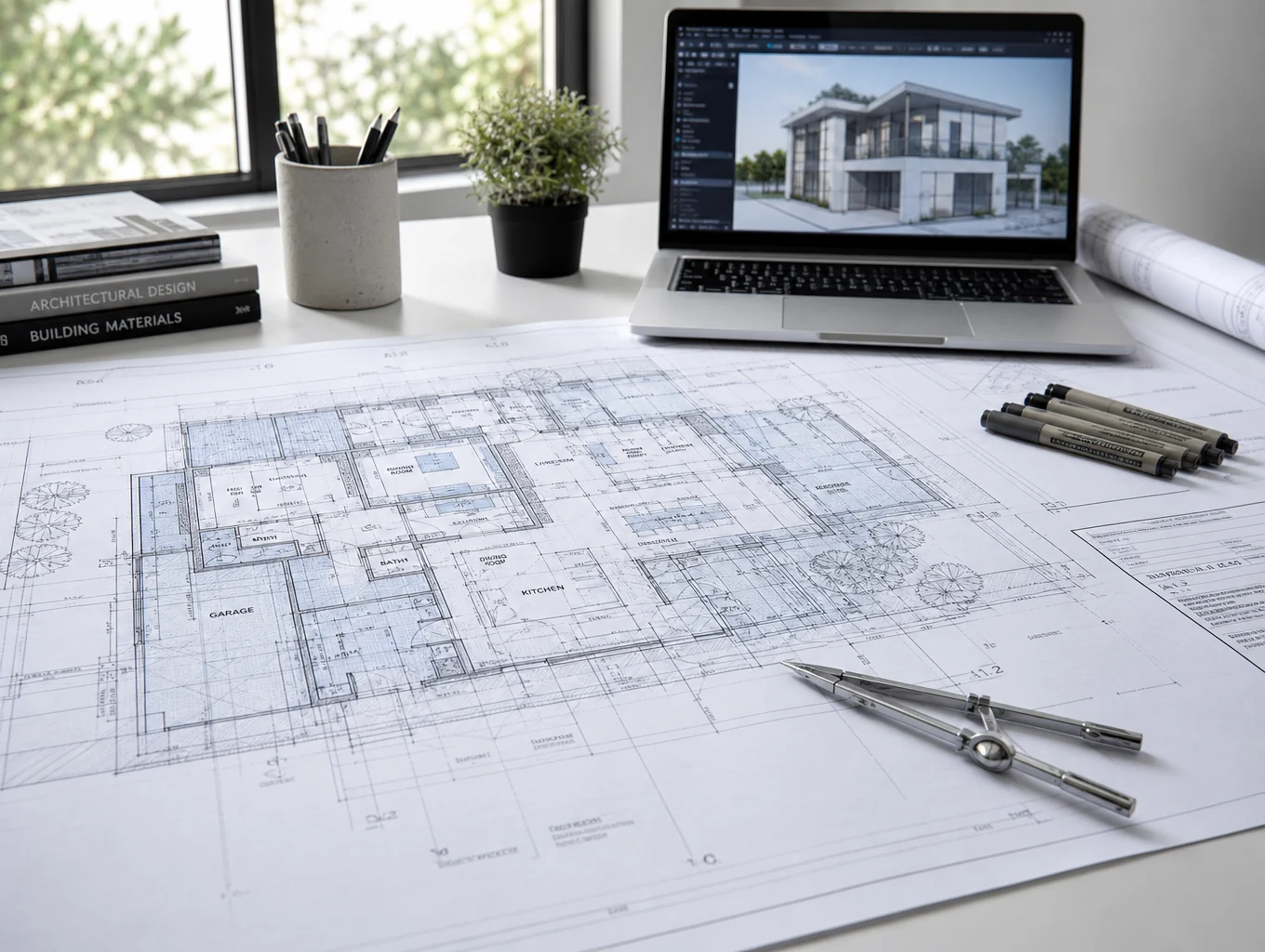
Step 1: Define the problem
Write down what is not working: storage, light, flow, bedrooms, bathrooms or outdated finishes. Problems, not products, should drive the plan.
Step 2: Set priorities
Separate must-haves from nice-to-haves and rank rooms by importance. This makes trade-offs easier when the budget gets tight.
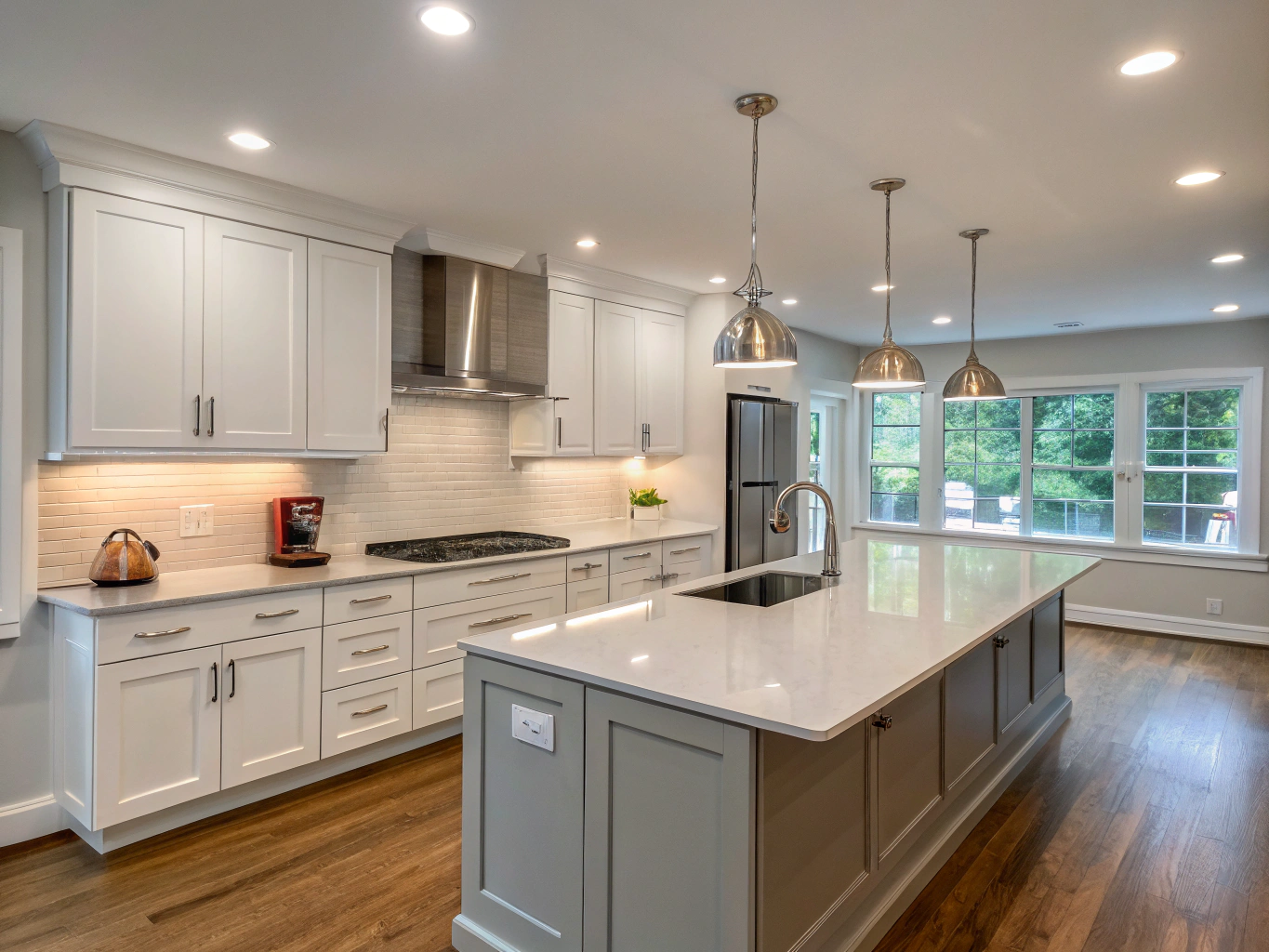
What this means for Woodstock homeowners
Before your first meeting, gather your HOA covenants if you have them, your plat or survey, and any notes about past repairs. For Woodstock homes it also helps to know whether your address is inside city limits, because that determines which permit office reviews the work.
Ready to plan your project?
Tell us what you want to change and we will follow up to talk through scope, timing and next steps.
Step 3: Know your local context
| Measure | Value |
|---|---|
| Population (July 1, 2025 estimate) | 39,895 |
| Median value of owner-occupied homes (2020–2024) | $436,500 |
| Owner-occupied housing rate (2020–2024) | 64.0% |
| Median household income (2020–2024, 2024 dollars) | $103,496 |
| Persons per household (2020–2024) | 2.51 |
Source: U.S. Census Bureau QuickFacts, Woodstock city, Georgia.
Woodstock homes range from 1980s and 1990s subdivisions to newer townhomes. The age of your home affects what may be found behind the walls and how much contingency to hold.
Step 4: Confirm permits and HOA rules
Find out whether your address is in the City of Woodstock or unincorporated Cobb County, and read your HOA covenants for exterior review requirements. Both affect timelines.
Step 5: Make selections early
Choose cabinets, tile, fixtures, flooring and lighting before demolition so long-lead items arrive on time.
Step 7: Choose the right partner
Ask how a contractor documents scope, handles unexpected conditions, prices changes and communicates during construction. Request written estimates with line items so you can compare like with like, and verify any licensing and insurance directly with the issuing agencies.
Common planning mistakes
- Choosing finishes after work begins
- Skipping a contingency
- Comparing estimates by total only
- Forgetting HOA approval for exterior work
- Underestimating how long design and permitting take
Avoiding these five mistakes prevents most schedule and budget problems before they start.
Step 6: Plan how you will live during the project
Set up a temporary kitchen, decide whether to move out for larger projects, and plan for pets and children around work areas.
| Task | When |
|---|---|
| List problems and priorities | Before contacting contractors |
| Set a budget range and contingency | Before design |
| Confirm permit jurisdiction and HOA rules | During design |
| Finalize selections | Before demolition |
| Order long-lead items | Before demolition |
| Plan temporary living arrangements | Before construction |
Woodstock housing snapshot
Remodeling decisions are easier with local context. These figures describe Woodstock housing and households as reported by the U.S. Census Bureau.
| Measure | Value | Period |
|---|---|---|
| Population estimate | 39,895 | July 1, 2025 |
| Owner-occupied housing rate | 64.0% | 2020–2024 |
| Median value of owner-occupied homes | $436,500 | 2020–2024 |
| Median household income | $103,496 | 2020–2024 |
| Persons per household | 2.51 | 2020–2024 |
Source: U.S. Census Bureau QuickFacts, Woodstock city, Georgia.
Remodeling planning at a glance
| Phase | What happens | Your decisions |
|---|---|---|
| 1. Discovery & consultation | Walk-through, goals, constraints and a budget range conversation | Must-haves, nice-to-haves, target budget range |
| 2. Design & scope | Layout options, measurements, written scope | Layout, level of finish, what stays and what goes |
| 3. Selections | Materials, fixtures and finishes chosen and confirmed | Finishes, fixtures, lead-time trade-offs |
| 4. Permits | Applications to the City of Woodstock or Cherokee County when the scope requires them; HOA review if applicable | HOA submittal details, schedule flexibility |
| 5. Construction | Demolition, rough-in, inspections, installation and finish work | Living arrangements during work, change requests |
| 6. Punch list & walkthrough | Final review, punch list and closeout | Punch-list items, care instructions |
Frequently asked questions
Where should I start?
Start by listing the problems you want to solve and how long you plan to stay in the home.
How do I know if my home is in the city or county?
Your property tax bill or the Cobb County parcel search shows the jurisdiction for your address.
When should I choose finishes?
Before demolition, so materials are on site when crews need them.
Do I need an architect?
Many interior projects do not; additions and major structural changes often need drawings and engineering, which design-build coordinates.
How long does planning take?
It varies with scope and how quickly decisions are made. Planning is often longer than construction for complex projects.
Related pages
Request an estimate
Share a few details about your project and Field & Foundry will follow up. Prefer to talk? Call (470) 847-9076.